



Rubber Mold
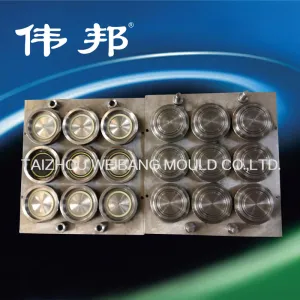
Rubber molding is a manufacturing process used to create rubber products or components through the shaping of raw rubber material. This process is integral to industries ranging from automotive and aerospace to healthcare, construction, and consumer goods. Rubber molds are essential tools in this process, providing the cavities into which rubber is formed and cured.The creation of rubber molds involves designing a specific shape or pattern that needs to be replicated in rubber. The design process often starts with a blueprint or CAD model of the final product, ensuring precise dimensions and features are incorporated. The mold itself can be crafted from various materials, typically metals such as aluminum or hardened steel, chosen for their durability and ability to withstand repeated use under high pressure.There are several types of rubber molding processes, each suitable for different applications and types of rubber materials. Compression molding is one of the oldest methods, where pre-measured rubber is placed into an open, heated mold cavity. The mold is closed, and pressure is applied to form and cure the rubber. This method is ideal for large, simple parts and offers cost-effective tooling.Injection molding is another widely used process that involves injecting heated rubber into a mold cavity under high pressure. This method is highly efficient, suitable for complex and high-precision components, and allows for fast production cycles. Transfer molding is a variant that combines elements of both compression and injection molding, well-suited for producing parts with intricate details and inserts.Rubber molding materials can vary significantly based on the intended use of the final product. Natural rubber is commonly used for its flexibility and resilience, while synthetic rubbers such as silicone, EPDM, and neoprene offer unique properties like temperature resistance, chemical inertness, or improved elasticity.The rubber molding industry places a strong emphasis on quality control to ensure that every piece meets specific standards. This includes rigorous testing for tensile strength, elasticity, abrasion resistance, and dimensional accuracy. Advanced techniques like computer-aided engineering (CAE) simulations and automated inspection systems are often employed to enhance quality assurance.Environmental considerations have also become crucial in rubber molding processes. Efforts to minimize waste, recycle materials, and use eco-friendly alternatives are increasingly common. The industry is moving towards sustainable practices by innovating mold design and materials usage for optimized efficiency and reduced environmental impact.In summary, rubber molds play a pivotal role in the production of many everyday items and complex industrial components. The continuous advancements in mold design, materials, and technology contribute significantly to the versatility and widespread use of rubber products in numerous applications.
Products
Category:
Rubber Molds
-
Bearing Seal Mold
Category: Rubber MoldsBrowse number: 1039Number:Release time: 2025-12-30 15:03:17 -
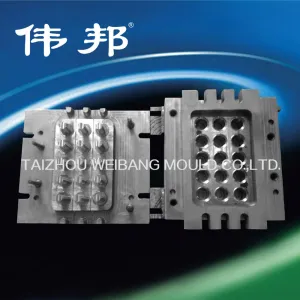
High-Precision Split Rubber Molds for Complex Parts
Category: Rubber MoldsBrowse number: 959Number:Release time: 2025-12-30 15:14:06
News
Category:
No search results found!
Case
Category:
No search results found!
Video
Category:
No search results found!
Download
Category:
No search results found!
Job
Category:
No search results found!
Featured Products
No search results found!